Thursday, November 4, 2021

Echinacea

 Echinacea

Jo Francks


This time of year is the time to reflect and show appreciation and give thanks for the great blessings in our lives. One of those blessings for me is the knowledge that I have of herbs and the herbs themselves that have blessed me and my family for so many years. 

Echinacea was one of the first herbs we used and found that it was a true blessing for healing from colds and flu. It seemed to never let us down when we needed its virtues.  Whenever we felt sick we would reach for the echinacea extract bottle and most times it was what we grew and made ourselves. It helped to stimulate our immune system and stop the cold from progressing and we’d feel better in no time. Echinacea is an herb I wouldn’t want to be without. 


Echinacea has many different species. The most common are Echinacea angustifolia, Echinacea pallida, and Echinacea purpurea commonly known as purple coneflower. All parts of the plant can be used but the root is most often what is sold for medicinal purposes. The leaves and flowers have many of the same benefits as the root and can be picked and dried for making infusions or extracts. 


Echinacea flowers have purple ray petals and bristly cones in the center, They are on a long erect stalk with lance-shaped toothed leaves. The properties of echinacea are to stimulate the immune system by increasing the white blood cells making it effective for fighting infection in the body. It is a powerful blood purifier and is known as a remedy for snake bites and spider bites. Echinacea can be taken frequently at the first sign of an illness and is effective for about 5 days then take a couple of days off and start again. Topically echinacea can be applied to any wound and it will help prevent infection and encourage healing. 


Echinacea has been used by Native Americans throughout history. It is native to North America but caution should be used in gathering plants in their natural habitat because of over-harvesting. We want to keep this plant around forever. It is a very nice plant to grow in any herb garden and adds color and beauty as well as medicinal benefits. It can be cultivated by seed or root transplants. 


If you don’t have echinacea growing in your herb garden, consider adding it this next growing season. It will provide beauty and medicine when needed and will be something you will be grateful for. 


Monday, September 6, 2021

Change of Seasons

 Change of Seasons

Jo Francks MH


As we go from summer to autumn we feel the change in the air, the leaves lose their green luster and take on a shade of gold to brilliant red and eventually fall to the earth to become a blanket of mulch and protection to the soil through the cold winter. Gardens are coming to an end of the bounteous gifts of life-giving food. Kids go back to school and parents are either elated or are missing them. Emotions can be fluctuating as much as the temperature because of the many changes that we are facing. 


This can be a time to take a look at the herbs that can help with those fluctuating emotions.


Nervine herbs can be helpful to regulate and rebuild the nervous system. For overall feelings of stress, my favorite herb is valerian. It can be taken when nerves are shot and 20 minutes later you can be feeling normal again. It works that fast. It may be a good idea to take it with peppermint or another mild stimulating herb if you don’t have time for a nap. Valerian is safe for children and can be used to help them calm down especially through an illness or to help them sleep at night. Other nervine herbs to consider are skullcap, chamomile, or passionflower. Dr. Christopher’s Relax-Eze formula combines many herbs to work in synergy for the nervous system.


Adaptogen herbs help regulate the immune system and help your body adapt to changes going on in your life and to stressful situations. Back to school, Loss of a job, divorce, death of a loved one, or even a change of season, are situations one would consider using an adaptogen for. A well-known adaptogen is ginseng. It has a long history of use for good reason. It strengthens the life force energy of the body and builds Chi. Adaptogens effect and strengthen the endocrine system which is responsible for hormone production. If hormones are out of balance it may be beneficial to look at adaptogens to see if they can help. Some other common adaptogens are ashwagandha, eleuthero, holy basil, licorice root and shiitake mushrooms. 


Another category of herbs that are useful through the seasonal change is herbs for the heart and circulatory system. Hawthorn is the first to come to mind when thinking of heart herbs and cayenne for circulation. The heart is the most important muscle in the body and unlike the rest of our muscles, it never stops its action. Keeping the heart healthy is a number one consideration for good health. This is done by eating a healthy diet, exercising regularly, reducing stress and using herbs that keep the heart healthy. Other herbs to consider for the heart are motherwort if you are having palpitations, and valerian which strengthens the heart beat without increasing the heart rate. Ginger and ginkgo help increase circulation.


As the seasons change keep in mind all the wonderful herbs that are available to assist the body in a gentle way to help it move into the fall season.


Friday, August 13, 2021

Things I love About Calendula

 Things I love About Calendula

Jo Francks MH


Calendula is a plant that is easy to grow. It is an annual plant but it will come back year after year from seed. Just let a few seeds remain on the plant at the end of the season for another good crop the next year. It flowers mid to late summer and the flowers are what I use for medicine. Just a few plants will produce plenty of flowers for you and your family.


Calendula officinalis is also called pot marigold and sometimes marigold but don’t confuse it with common marigold whose Latin name is Tagetes. Calendula is a very versatile plant and it has many different uses. It is very good at strengthening the immune system. It helps with viruses, infections and fungal infections. It helps clear out the lungs and sinuses. Its demulcent and vulnerary properties make it wonderful for the skin and it is used in many topical creams, salves and ointments. It helps heal wounds, prevent infection, reduce pain, and relieve itching.


When calendula flowers are made into an ointment, the ointment turns out a nice yellow color. We always had yellow ointment around and that became its name. Any time there was a need for a bandage yellow ointment was placed on the bandage first before it was applied to the skin. It always relieved pain or itching and helped wounds heal quickly. We used it for sunburns, insect bites, scrapes, cuts, scratches, hangnails, athletes foot, eczema, varicose veins, chapped lips,  and all skin problems.


Internally calendula was used as a tea or extract alone or combined with other herbs for colds, flu, sore throats, headaches, fevers, coughs, yeast infections, muscle pain and cramping. The effects were felt almost immediately when drinking a warm cup of calendula tea at the first sign of a cough or sore throat. The flower petals can be added to soup and will give it a nice warm yellow color. They can also be added to salads either fresh or dried.


Calendula also is beneficial in the garden. It helps improve the soil and repel insects. Its bright yellow and orange flowers brighten my day. I would not want to be without calendula because I use it in so many ways. 


Thursday, April 22, 2021

Herbal Chews

 Herbal Chews

Jo Francks MH


This past winter I have been experimenting with different herbal ideas to have available for travel or easy ways for kids to take their herbal supplements. One of the things I came up with is herbal chews. They are made with dehydrated fruit powder and concentrated herbal teas. It is a process to make these fun little bites but it is very rewarding.


Start by dehydrating the fruit you would like to use. I started with bananas because I had some that were just at the right stage of ripeness for dehydrating. I have used apples and other fruit as well. Dry the fruit until it is brittle. When it is cool blend it into a fine powder. Store this in an airtight container until you are ready to make your amazing herbal chews. Select the herbs you would like to use for the recipe. I first used echinacea. I made a decoction from echinacea roots using 2 tablespoons of the cut and dried root and 2 cups distilled water. Let the herb sit in the water for a couple of hours to soften then bring the water to a low simmer while covered. Simmer covered for about 20 minutes then remove from heat and let steep for an hour. Strain the liquid, return it to your pot, and on low heat with the lid off simmer the liquid down to ½ cup. This is what Dr. Christopher called a 7 power tea because it is ¼ the volume of what you started with which in this case was 2 cups.


When you have your herbal decoction complete you are now ready to make the herbal chews. Start with ¼ cup of the fruit powder and slowly add the herbal liquid stirring well as you go. Add enough liquid until it is a consistency to drop on the dehydrator tray in dollops using a teaspoon. You may use all the liquid or have some leftover. Add more powder if you have extra liquid. If you run out of your decoction you may add some water until you get the right consistency.  Drop the mixture by small spoonfuls on a solid dehydrator tray and dry them at around 105 degrees. This is a very small batch and will only make a few chews so feel free to double or triple the recipe. Once they are dry store them in an airtight container. They will keep for many months or longer.


Have fun experimenting with different herbs and fruits. I have made some with apple powder and concentrated ginger tea with some cinnamon to use for motion sickness while traveling. There are so many possibilities. It’s fun and exciting to get your kids involved in this. Kids love the chews and they don’t even have to know it’s good for them. 


Some other possibilities would be to use herbs for sleep and nervousness such as valerian, chamomile, or passionflower. Immunity herbs could include echinacea, elderflowers, and berries, calendula, or even garlic. For nutritional support, you could add rose hips, alfalfa, spirulina powder, or Jurassic Green powder. Hawthorn berries could be used for heart chews. There are so many possibilities.


Friday, March 19, 2021

Celery Juice

 Celery Juice

Jo Francks MH


There have been many books written on the benefits of juicing. Celery juice has become a superfood in the last few years. I looked through many of the books I have on juicing and learned a lot about the reasons why there is such a buzz around celery juice. Let’s start with one of the first books on juicing I was aware of.


N. W. Walker D. SC. in his book Fresh Vegetable and Fruit Juices praises raw celery juice for it’s high sodium content. He says, “The greatest value of raw celery lies in the fact that it contains an exceptionally high percentage of vital organic sodium. It is one of the chemical properties of sodium to maintain calcium in solution.” The organic sodium is needed to get rid of the inorganic calcium in the body from eating too much processed starches and sugar. Sodium is also involved in the elimination of carbon dioxide from the system. Dr. Walker states that combining different juices creates exceptional healing formulas. “When combined with other juices, the proportion of the elements in each individual juice is changed to correspond to the sum total of the similar elements in the other juices. Thus we get a totally different formula when juices are combined than when we have in any one of the juices individually.” Dr. Walker suggests using a combination of carrot and celery juices to help rebuild the nerve sheath and to overcome nervous afflictions. 


John Heinerman in the Encyclopedia of Healing Juices states that celery juice is good for blood poisoning. The high amount of mineral salts in celery make it very alkaline. The bacteria responsible for blood poisoning thrives better in acidic conditions than they do in an alkaline environment. The presence of celery in the body helps to dilute their potential harm. 

For eczema and psoriasis the author suggests using a mixture of celery, Swiss chard, and cucumber juices diluted with a little carrot juice.


The Juicing Book by Stephen Blauer teaches us that celery juice has a calming effect on the nervous system and that the sodium in celery juice helps the body utilize calcium more efficiently.


Jay Kordich is the man that played a big role in creating a juicing revolution with his juicing infomercials. In his book, The Juiceman’s Power of Juicing, he says that one of the best juices you can drink is made with one rib of celery combined with two apples to provide the proper sodium potassium ratio. He says that celery is a powerhouse of life-giving nutrition and is the best juice for anyone who works out because of its rich source of organic sodium. “When we sweat we lose a lot of valuable body fluids. How best to replace them in a matter of minutes? Drink celery juice - leaves and all!”


Anthony William, author of the Medical Medium book series, most recently has brought celery juice to a higher level. In his book, Celery Juice, The Most Powerful Medicine of Our Time, he recommends drinking 16 ounces of celery juice first thing in the morning on an empty stomach and wait 15-30 minutes before consuming any other food or liquid. The sodium cluster salts in the celery juice are said to help cleanse the liver, improve digestion, and help kill off pathogens. His suggestion is to drink the celery juice each morning for a month and notice the changes it makes in the body. He recommends drinking celery juice for many different ailments from fatty liver to eczema and psoriasis. 


Celery is more than an ingredient on a relish tray at Thanksgiving dinner. It is a medicinal powerhouse when juiced, giving the body nutrition and healing. 


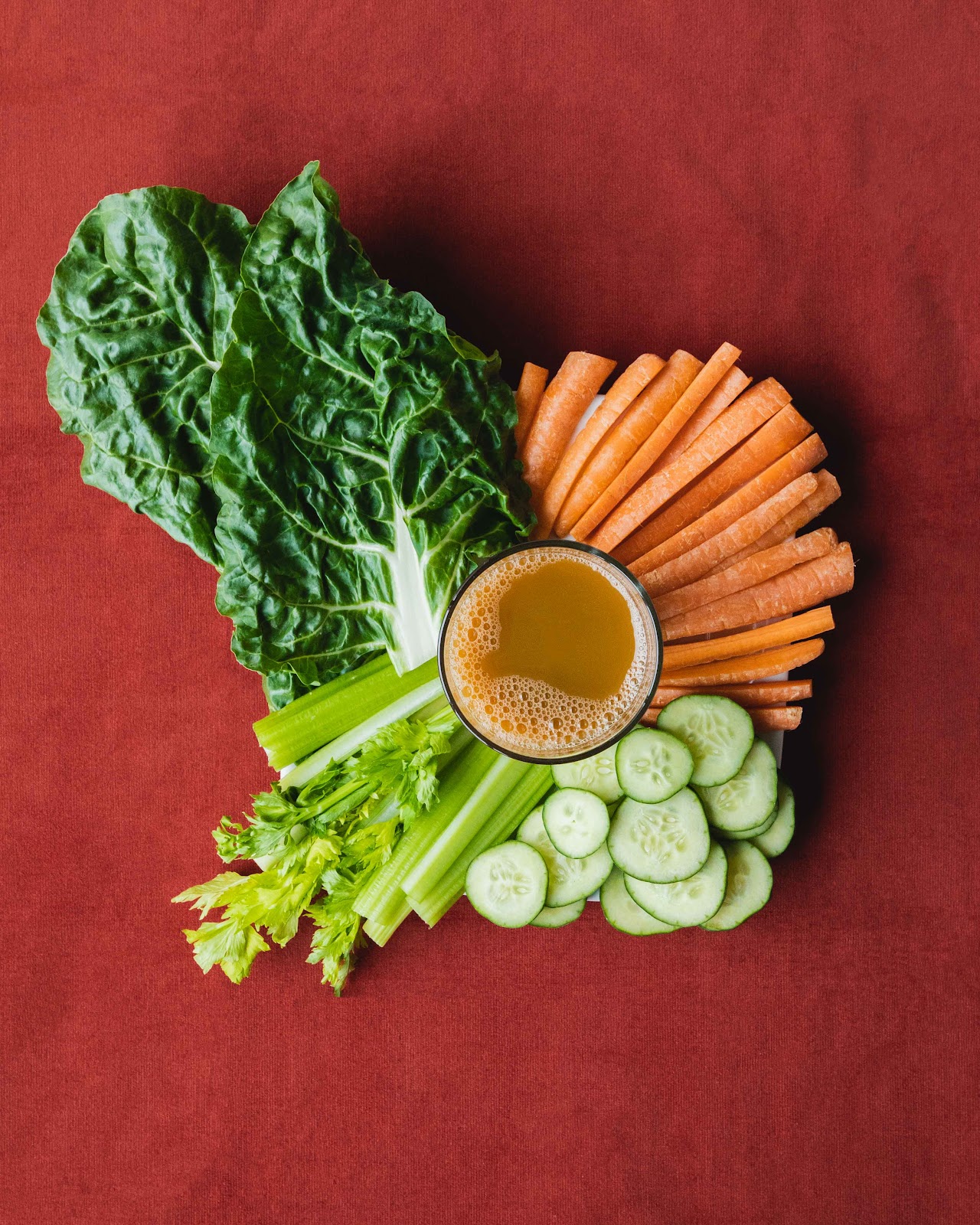
Juice Recipe for Eczema and Psoriasis


4 medium sized carrots washed but not peeled

2 stalks celery

1 small unpeeled cucumber 

Small bunch Swiss chard


Wash all ingredients well and juice each one separately and set aside in different containers. Then combine everything together in a blender for one minute. Drink separately from meals.


Recipe from Heinerman’s Encyclopedia of Healing Juices by John Heinerman


Monday, December 21, 2020

Black Walnut

 Black Walnut

Jo Francks MH


As I was recently raking up black walnuts that had fallen off the tree this fall I was thinking of all the different ways I have used the black walnut hulls through the years. This tree has been a huge blessing to me and my family. Each year I make up a fresh batch of black walnut tincture from the fresh hulls. I’ve used it on cold sores, athletes foot, skin disorders, and many other things. I am reminded each time I make a batch of tincture of the confidence Dr. Christopher had in the black walnut hulls when he was serving in the army. He was able to heal the horrible case of impetigo on a soldier's head with a crude batch of black walnut hull tincture made with rubbing alcohol.


This was the only time Dr. Christopher used rubbing alcohol for making a tincture because that is all he had available. David Christopher recommends using black walnut tincture to help get rid of Lyme disease. Black walnut is also used in the Candida protocol to kill the fungus in the intestines. It is also used to expel worms from the bowels. Making your own medicine is very rewarding, easy, and satisfying. 


To make black walnut tincture you can use dried balck walnut hulls or fresh ones. When making tincture from the fresh hulls wear gloves to protect your hands from turning brown. With a knife, remove the fleshy hull from the outside of the shell and chop it up. Add it to a jar and cover with 100 proof vodka as you go until the jar is full. Add the lid and shake for at least 2 weeks every day. 


Making tincture with the dried black walnut hulls is quite a bit easier. Use cut herb and fill your jar about half full with the herb and add 80 or 100 proof vodka to the top of the jar. Add the lid and shake every day for at least 2 weeks. Strain the tincture through a muslin cloth and bottle your tincture.


Black Walnut hulls can be used as a dye as well. It will stain whatever it comes in contact with. I have taken a fresh hull and rubbed it on a grey spot on my hair to stain it a nice amber color. Adding water to the powder to make a paste will do the same thing. It will also stain your skin so be careful. Because of the high tannin content it is used to tan hides and color fabric. What are some of your favorite ways to use black walnut?


https://www.youtube.com/watch?v=knfpDm249A4&t=5s


Raw Apple Pie

 Raw Apple Pie

1 apple peeled and cored

1 cup dates

1 orange peeled and seeded

1 ½ tsp. cinnamon

Puree apple and orange in a blender. Add the dates and cinnamon. Blend until smooth.

Slice 4 or 5 Granny Smith apples or another tart apple very thin. Use a mandoline slicer for best results. In a large bowl mix the sliced apples with the pureed mixture.


Crust:

1 cup coconut

1 cup pecans

1 cup pitted dates

1 ½ tsp. cinnamon

2 Tbs. almond butter

Add all ingredients to a food processor and process until finely ground. Press the mixture into a pie plated.

Pour the apple mixture into the crust. Top with round apple slices with a walnut or pecan in the middle.


  Herbs Used By the Pioneers Jo Francks MH In Utah we celebrate Pioneer Day on July 24th. But Utah isn’t the only state where pioneers immig...